Why is Slow Fashion Better for People and the Planet?
The British high street has long championed convenience and affordability, but the actual cost of fast fashion is becoming impossible to ignore. As awareness grows, more women across the UK are questioning their wardrobes and choosing slow fashion: a movement that prioritises quality, ethics, and environmental responsibility over throwaway trends.
The Fast Fashion Problem
Fast fashion operates on a relentless cycle: new styles every week, rock-bottom prices, and garments designed to last mere months. Behind the appealing price tags lies a different reality. Textile waste fills landfills, synthetic fabrics shed microplastics into our waterways, and production processes consume vast quantities of water and energy.

The environmental toll is staggering. The fashion industry accounts for approximately 10% of global carbon emissions, with fast fashion driving much of this impact through constant production and disposal cycles.
What Makes Slow Fashion Different
Slow fashion rejects the disposable mentality. It champions timeless design, durable materials, and transparent production. Rather than chasing fleeting trends, slow fashion creates pieces that endure, both in style and construction.
This approach transforms how we view clothing. Each garment becomes an investment rather than an impulse purchase, valued for craftsmanship and longevity instead of novelty.
Better for the Planet
Choosing slow fashion delivers tangible environmental benefits:
Natural materials over synthetics. Organic cotton, linen, and other natural fibres biodegrade naturally, unlike polyester and acrylic, which persist in ecosystems for centuries. These fabrics also require fewer harsh chemicals during production.
Reduced waste. Quality garments last years, not seasons. This durability means fewer items entering landfills and less demand for constant manufacturing.
Lower carbon footprint. Small-scale, ethical production typically generates fewer emissions than mass manufacturing. Natural dyeing processes and local production further minimise environmental impact.
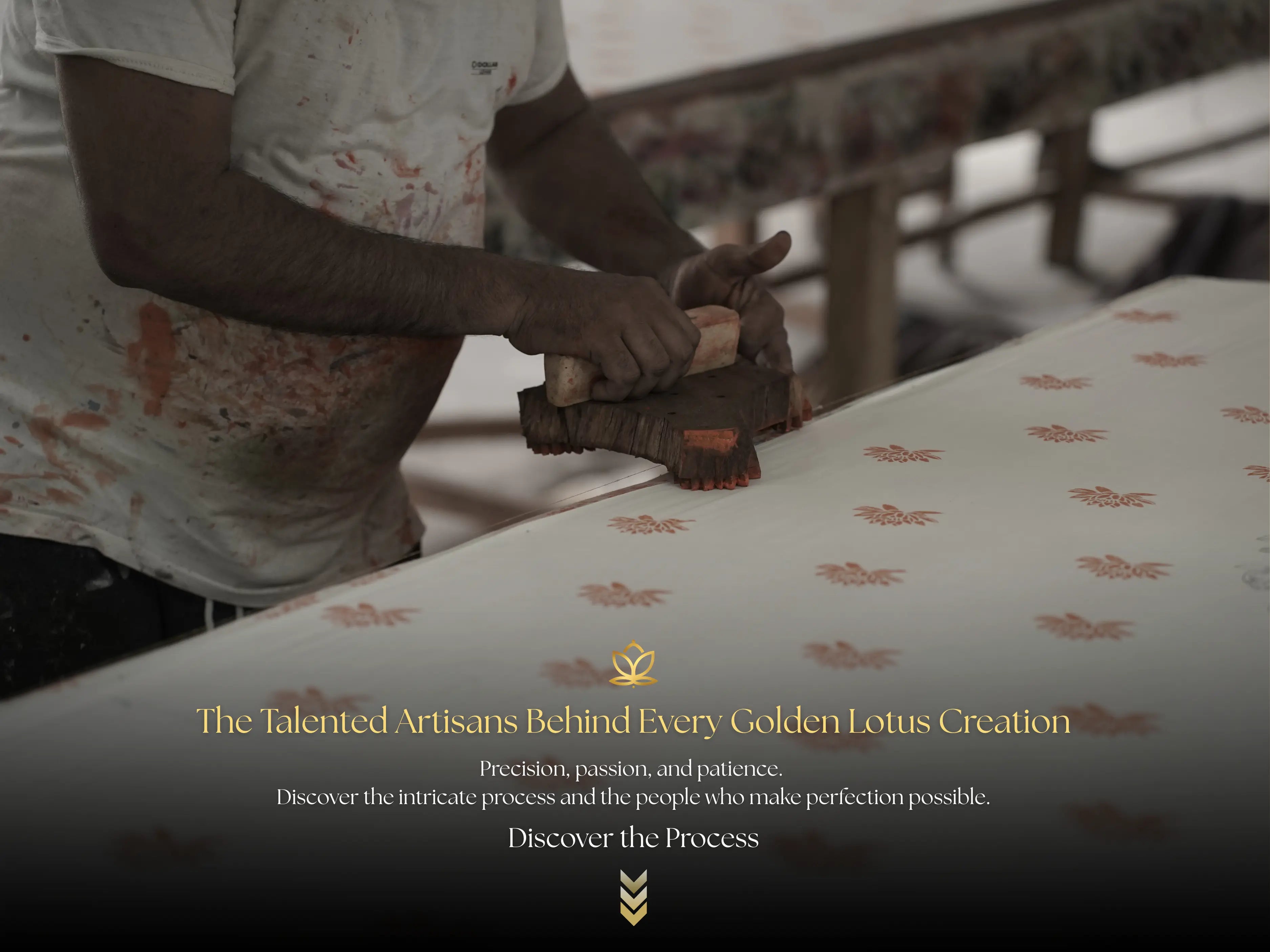
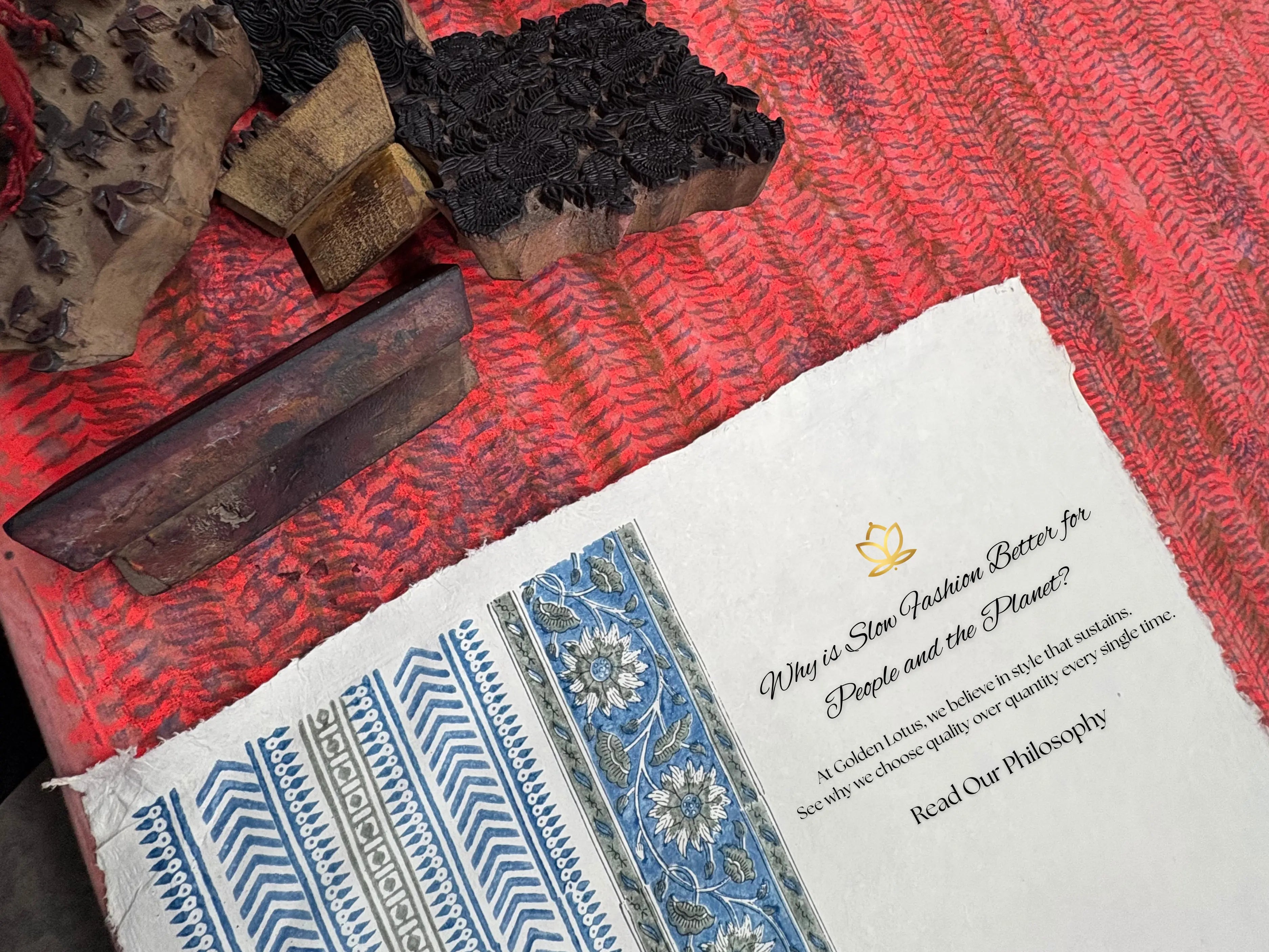
Water conservation. Traditional techniques like hand block printing use significantly less water than industrial dyeing and printing methods employed by high-street brands.
Better for People
The human benefits of slow fashion extend beyond your wardrobe:
Artisan empowerment. Slow fashion brands work directly with skilled craftspeople, providing fair wages and preserving traditional techniques that might otherwise disappear. These partnerships create sustainable livelihoods for entire communities.
Transparency and ethics. Unlike opaque fast-fashion supply chains, slow-fashion brands maintain clear visibility into production conditions, ensuring dignity and safety for everyone involved.
Healthier choices. Natural fabrics and plant-based dyes eliminate exposure to harmful chemicals often found in mass-produced clothing. Your skin (your body's largest organ) deserves this consideration.
Meaningful connection. Wearing garments created by skilled hands rather than machines fosters appreciation for craftsmanship and creates a deeper relationship with your clothing.
The UK's Slow Fashion Movement
Britain is witnessing a cultural shift. Women are curating thoughtful wardrobes rather than stuffing closets, seeking pieces with provenance and purpose. This isn't about perfection. It's about making conscious choices where possible and understanding that every purchase is a vote for the kind of industry we want to support.
The slow fashion movement recognises that true style isn't about having the latest trend but owning pieces that reflect personal values and aesthetic sensibility.
Making the Transition
Shifting from fast to slow fashion doesn't require an immediate wardrobe overhaul. Start by asking questions before purchasing: Who made this? What's it made from? Will I wear this repeatedly for years?
Invest in versatile, well-made pieces that complement your existing wardrobe. Choose natural fibres and timeless silhouettes over trend-driven synthetic items. Support brands that demonstrate transparency in their production and a genuine commitment to sustainability.
Quality often commands higher initial prices, but cost-per-wear reveals the actual economy of slow fashion. A well-crafted dress worn for five years delivers far greater value than multiple cheap alternatives discarded within months.
Fashion as a Force for Good
Your wardrobe holds power: the power to support artisan communities, protect natural resources, and challenge an industry built on exploitation and waste. Slow fashion proves that style and sustainability aren't opposing forces but natural partners.
Every garment tells a story. Fast fashion's narrative is one of excess and environmental degradation. Slow fashion offers a different tale: one of heritage craftsmanship, ethical production, and respect for both people and planet.
The choice is yours. What story will your wardrobe tell?